I Scanned the Whole Bitcoin Blockchain for Images
An investigator synced a full Bitcoin node to check for hidden image files, leading to a surprising discovery about how blockchain data is stored.
 BTCcoinbeat.news
BTC/USD live chart
LIVEMany people argue about arbitrary data and non monetary transactions on the Bitcoin network. To find out if actual image files sit on the ledger, an experiment was set up using a fresh four terabyte hard drive. The process required syncing the full blockchain using Bitcoin Core, which took about three days of background processing and heavy disk reading.
Once the chain was fully downloaded and validated, an open source image recovery tool called PhotoRec was pointed at the drive. The software scanned the raw data for eleven hours straight, searching for common file formats like JPEGs, PNGs, and GIFs. Surprisingly, the tool found no meaningful images at all, despite years of discussion about digital art and inscriptions on the network.
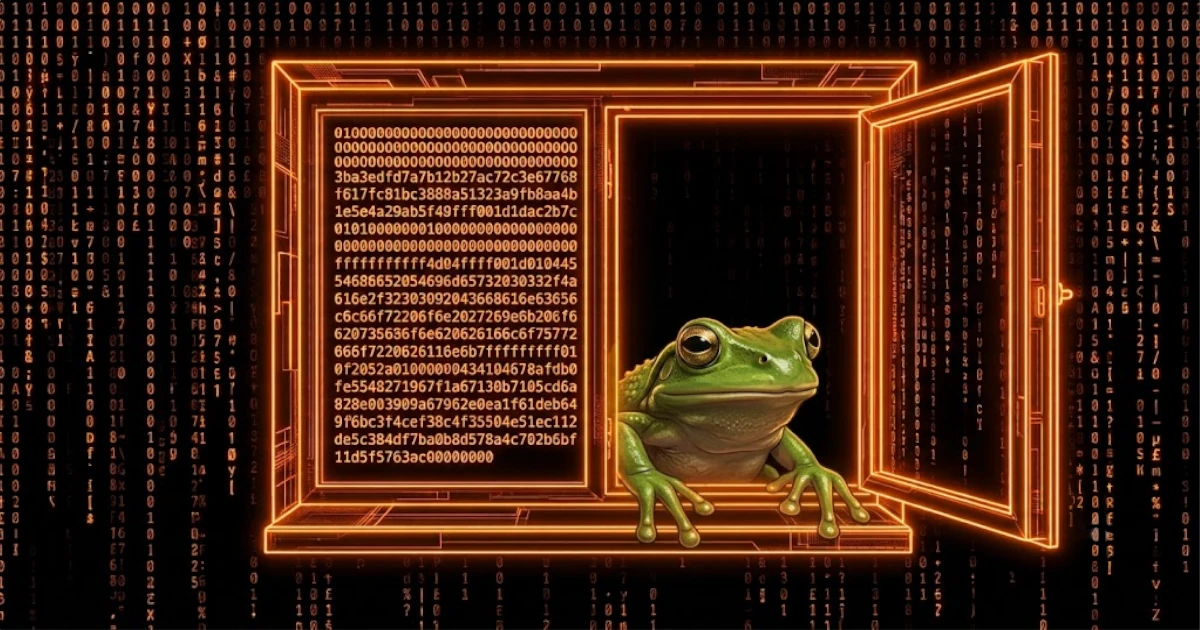
The mystery comes down to how Bitcoin stores data at rest on a hard drive. Developers have long used an obfuscation technique called XOR to scramble blockchain data during installation. This method compares bits against a random key so other programs cannot read the raw contents, while the active Bitcoin software easily unscrambles it on the fly. This simple security measure prevents external tools and anti virus software from misinterpreting blockchain transactions while keeping nodes running smoothly.
Prices update live from CoinMarketCap. Market data, not financial advice.
Market sentiment
Be the first to react
▍Comments (0)
No comments yet. Start the conversation!